
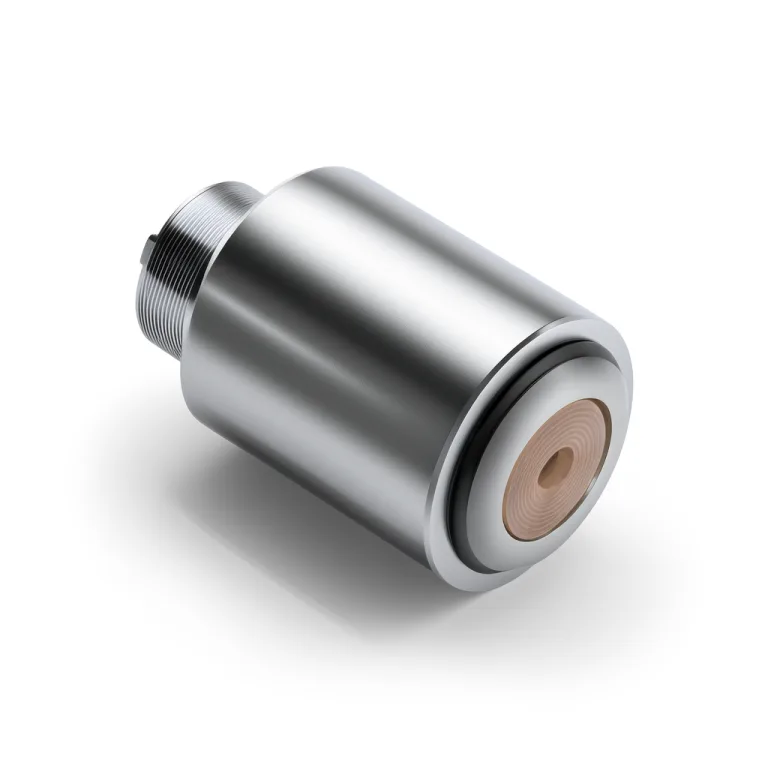
Dam Seepage Pressure Sensor
Dam Seepage Pressure Sensor for industrial applications.
About Dam Seepage Pressure Sensor
Dam Seepage Pressure Sensor for industrial applications.
| Domain | civil |
|---|---|
| Product Family | Sensors |
Who Works With Dam Seepage Pressure Sensor?
5 engineering roles are connected to Dam Seepage Pressure Sensor based on verified research evidence.
Technician
Technician is a widely recognized professional role in HVAC engineering, explicitly referenced in ASHRAE guidance for cooling tower systems. While generic, it denotes a credentialed, hands-on technical role responsible for installation, commissioning, operation, inspection, maintenance, troubleshooting, and testing of HVAC equipment including cooling towers. It is not product-specific (e.g., no 'Cooling Tower Technician' prefix), so product_specific_title = false. The role is distinct from engineers or operators and falls under the Maintenance family with broad technical execution responsibilities.
Instrumentation Engineer
Instrumentation Engineer is a well-established, widely recognized engineering role in industrial automation, specifically responsible for designing, specifying, calibrating, commissioning, and maintaining field instruments (e.g., sensors, transmitters) and their integration with controllers—including PID controllers. The evidence confirms active job market usage in the context of PID controller configuration, tuning, and troubleshooting.
Field Engineer
Field Engineer is a widely recognized professional role in oil & gas and industrial engineering, especially in downhole tool support. Evidence confirms SLB employs Field Engineers specifically for downhole mud motor applications—including specification, field supervision (installation/commissioning), failure analysis (troubleshooting/maintain/test), and operational optimization. While context is chemical/oilfield, 'Field Engineer' is not product-specific (e.g., not 'Mud Motor Field Engineer'), so canonical form remains generic and standardized.
Field Technician
Field Technician is a widely recognized professional role in industrial engineering contexts, especially for commissioning, startup, maintenance, and troubleshooting of process equipment like Gas Pressure Regulating Skids. Evidence explicitly links them to installation and FAT/SAT (Factory Acceptance Test / Site Acceptance Test), confirming involvement in commissioning, inspection, and operational readiness activities.
Civil Engineer
Civil Engineer is a widely recognized, accredited professional engineering role. In the context of a Fire Water Storage Tank for industrial applications, civil engineers are responsible for structural design (e.g., tank foundations, site grading, seismic anchorage), hydraulic infrastructure integration, code compliance (e.g., NFPA 22 references civil/structural requirements), and inspection of civil works during installation. The evidence explicitly mentions coordination with civil engineers and responsibilities tied to water storage tanks and code compliance.